Robot Vacuum Brand Comparison
Comparing brands by their absolute cheapest or most expensive model rarely tells you much, since an entry-level budget robot and a flagship model from the same brand solve very different problems. Here we lined up one representative model from four popular brands at a similar mid-range price tier so the comparison is actually apples to apples.

Shark: Shark Stratos 2-in-1 Robot Vacuum & Mop, AV2700ZE
Vacuum-and-mop 2-in-1 deck with a self-empty base. Shark's lineup splits clearly between vacuum-only and Matrix-style 2-in-1 models, worth checking before comparing on price alone.
See the full Sharkbuying guide →
eufy: eufy E25 Robot Vacuum and Mop Combo, 20,000 Pa
The highest rating and deepest review history of the four at this tier, paired with a HydroJet self-washing roller mop.
See the full eufybuying guide →
Roborock: roborock 2026 New Qrevo S Pro Robot Vacuum and Mop, 18,500Pa Suction
Newest release of the four, so its review count is still building relative to the others, but it sits in Roborock's upper Qrevo tier with a premium dock feature set.
See the full Roborockbuying guide →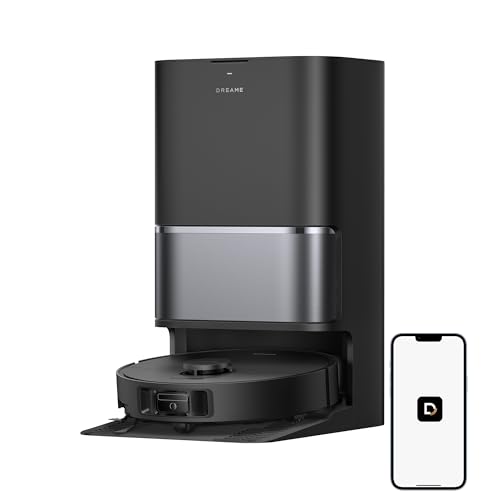
Dreame: dreame L40 Ultra Gen 2 Robot Vacuum and Mop with 25,000Pa Suction
The highest stated suction figure of the four, though a high Pa number alone does not determine real-world pickup, worth weighing against navigation and dock quality too.
See the full Dreamebuying guide →How to actually compare brands
Matching price tier is a start, but a fair comparison also means checking the same things across brands: whether the dock washes and dries mop pads or just empties the dustbin, how navigation is handled (LiDAR mapping is common across all four brands here, but is a separate question from obstacle avoidance), and what ongoing consumables (pads, filters, detergent) actually cost per year.
Review count and rating are useful signals of real-world reliability at scale, but a newer release with fewer reviews is not automatically worse, it just has a shorter public track record to check against.